Introduction
As summer time systems, the sweltering warmth can flip your completely happy dwelling house into an uncomfortable sauna. Air conditioning methods turn into necessary, but the question arises: can you install your own air conditioner? With a growing to be development in opposition t DIY projects, many homeowners are bearing in mind taking matters into their very own fingers. This article delves into the fine details of DIY AC installation, exploring even if it’s in reality plausible for the typical owner of a house or more suitable left to the specialists.
Understanding the Basics of Air Conditioning Systems
What is an Air Conditioner?
An air conditioner (AC) is a machine designed to regulate indoor temperatures via weeding out warmness from a specific region and expelling it backyard. It operates on the rules of thermodynamics, involving refrigerants that absorb and free up heat.
Types of Air Conditioners
When taking into account a DIY AC deploy, that is important to be mindful the one of a kind kinds of air conditioners readily available:
- Window Units: Compact units surest for unmarried rooms. Affordable but would be less useful for higher areas. Portable ACs: Versatile and ordinary to go yet may perhaps require venting through a window. Split Systems: Comprising two gadgets (indoor and outside), proposing powerful cooling for finished homes however complex to put in. Central Air Conditioning: Best for good sized residences, employing ducts to distribute cool air for the time of.
Choosing the Right Air Conditioner
What Size of AC Unit Do I Need?
Determining the precise measurement is necessary. An undersized unit will fight to cool your space, while an oversized unit will cycle on and rancid too as a rule, optimal to inefficiency. The familiar rule of thumb is:
- Calculate your room's sq. pictures. Use BTU (British Thermal Units) ratings as a e-book. Typically, you desire about 20 BTUs in keeping with square foot.
| Room Size (sq toes) | Recommended BTUs | |-------------------|------------------| | a hundred - three hundred | five,000 - 7,000 | | three hundred - 600 | 7,000 - 14,000 | | six hundred - 1,000 | 14,000 - 25,000 |

How Do I Know What Type of Air Conditioner to Buy?
Choosing an AC involves comparing numerous explanations:
Room Size: Larger rooms require greater useful instruments. Energy Efficiency: Look for models with excessive SEER (Seasonal Energy Efficiency Ratio) rankings. Installation Feasibility: Some forms are simpler for DIY setting up than others. Cost: Factor in each initial acquire rate and lengthy-time period operational bills.DIY AC Installation: Can You Really Do It Yourself?
The answer isn’t elementary; it depends in large part on your advantage and event. While many homeowners successfully whole their possess installations, there are complexities worried that may lead to error if one isn’t cautious.
Pros of DIY Installation
Cost Savings: Avoid labor bills via managing setting up yourself. Flexibility: Choose your schedule with out looking forward to legit availability. Learning Experience: Gain primary abilties and know-how about HVAC platforms.Cons of DIY Installation
Potential Errors: Mistakes can cause inefficient operation and even ruin to the unit. Safety Risks: Working with electric aspects poses defense hazards if now not dealt with adequately. Warranty Issues: Many manufacturers void warranties if installations aren’t achieved through qualified professionals.Preparing for Your DIY AC Installation
Gather Necessary Tools and Equipment
Before diving into installation, guarantee you have got every part you want:
- Screwdrivers Wrenches Level Tape measure Drill Safety goggles and gloves
Read the Instruction Manual Thoroughly
Each air conditioning unit comes with specific directions that will have to be observed heavily for correct set up and foremost overall performance.
Step-with the aid of-Step Guide to Installing Your Own AC Unit
Step 1: Choosing an Installation Location
Select a position that makes it possible for sufficient airflow the two indoors and outdoor at the same time being effortlessly attainable for repairs.
Step 2: Mounting the Indoor Unit
If you're fitting a break up method:
Use a degree to mark where the indoor unit will hold on the wall. Drill holes as specified inside the manual for mounting brackets.Step three: Installing the Outdoor Unit
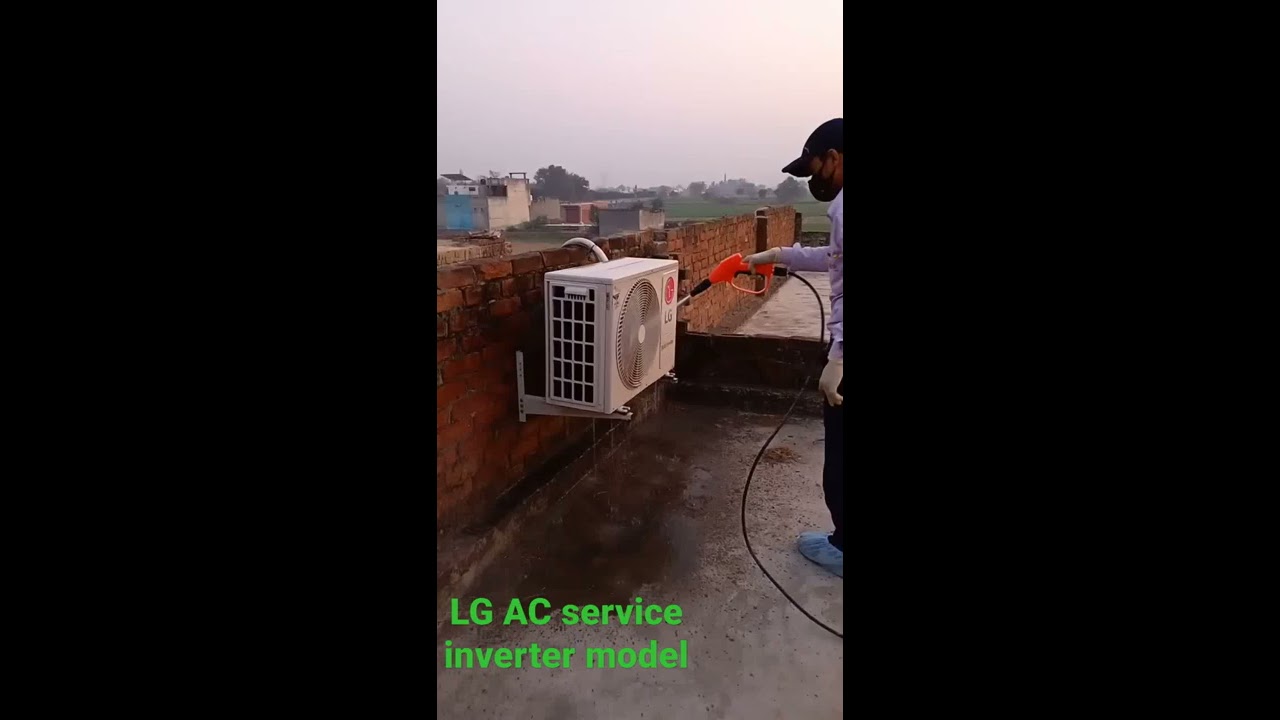
Place the outdoors condenser on a solid floor like concrete pads or brackets—making certain ideal drainage far from your property.
Step four: Connecting Electrical Lines
Follow safeguard protocols when connecting capability lines:
Turn off electricity at the breaker field earlier origin work. Connect wires in accordance with corporation necessities; fallacious wiring can trigger fires or methods failure.Step five: Sealing Refrigerant Lines
Ensure all connections are tight and competently insulated with foam tape or similar material to preclude electricity loss.
Testing Your Newly Installed AC System
Once the whole thing is hooked up:
Turn on power at the breaker box. Switch to your unit the usage of far flung manage or wall thermostat. Monitor efficiency—verify airflow temperature after jogging for a couple of minutes; it may want to be highly cooler than room temperature.FAQ Section
Q1: Can I Install My Own AC Unit?
Yes! Many home owners efficiently finished their personal installations; nonetheless it, it requires cautious making plans and adherence to protection protocols.
Q2: How Much Does Professional AC Installation Cost?
Professional expenditures fluctuate commonly stylish on vicinity however ordinarilly selection from $500-$2000 based on complexity and form of unit hooked up.
Q3: Where Can I Buy Air Conditioner Online?
Several professional dealers sell air conditioners on line—seem to be out for consumer reports when buying from sites like Amazon or really expert HVAC retail outlets like acprices.ca.
Q4: Are There Any Local Regulations Regarding AC Installation?
Yes! Check nearby development codes which may possibly dictate particular specifications on the topic of HVAC installations—failure to comply ought to end in fines or vital removal of non-compliant units.
Q5: What Maintenance Is Required After Installation?
Regular maintenance contains converting filters each and every few months, cleaning coils each year, checking refrigerant tiers, and making sure drainage programs paintings competently.
Q6: How Do I Find The Best AC Companies in Canada?
You can seek online directories like acprices.ca which offer ratings depending on client reviews and carrier pleasant—guaranteeing you settle on authentic suppliers while essential!
Conclusion
In end, at the same time as accomplishing a DIY AC installing could seem daunting originally glance, with enough guidance and talents it’s totally you can actually! From expertise what size unit matches your needs surest by finding out how each one factor works mutually—the journey can even simply empower you extra as a house owner! Remember consistently prioritize security especially else at some stage in set up procedures; if in doubt don’t hesitate achieving out professionals listed at superior AC https://zanetcoi228.theburnward.com/the-best-times-of-year-to-buy-an-air-conditioner-in-canada-4 service provider directory Canada acprices.ca!
With summer properly round nook don’t permit anguish get you down—equip yourself at present by way of investing time discovering merchandise possible sooner than making choices no matter if hire gurus experienced tradespeople or take plunge into pleasing international do-it-your self projects!
This article can provide complete insights into DIY aircon set up even as declaring professionalism right through its content—encouraging readers discover probabilities hopefully!